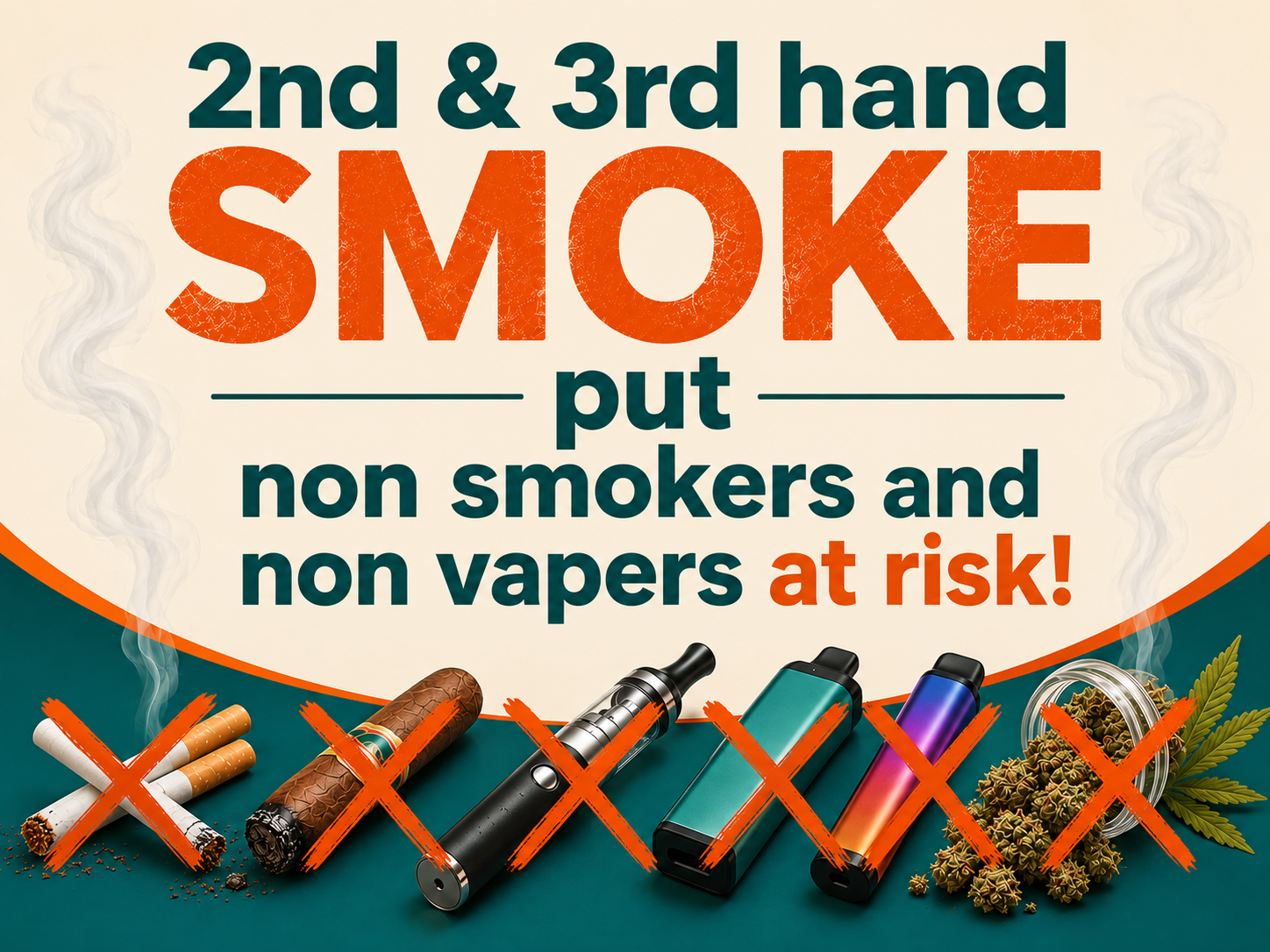
Hidden Harm at Home: Understanding Thirdhand Smoke and New California Policies
by Pleshette Robertson, Community Engagement Coordinator @ The SOL Project
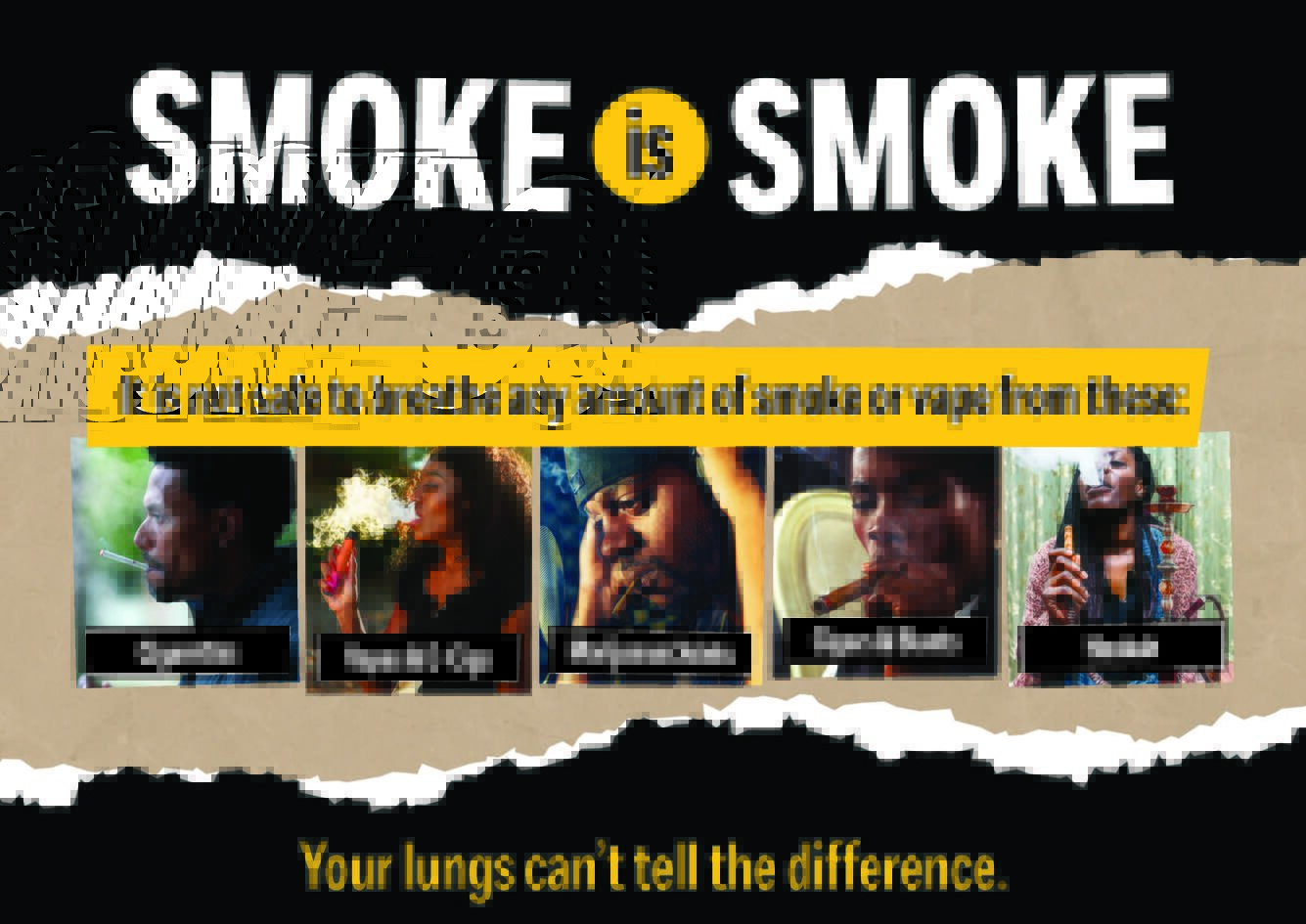
California is taking new steps to address an often-overlooked health hazard: thirdhand smoke. New legislation, including AB 455, which took effect in 2026, requires sellers to disclose whether a property has been exposed to smoking or vaping. Another proposal, AB 1695, would establish smoke-free requirements in newly developed state-subsidized housing.
Why do these policies matter?
To better understand the issue, The SOL Project recently spoke with Lydia Greiner of the Thirdhand Smoke Resource Center. According to Greiner, thirdhand smoke is the toxic residue left behind after smoking or vaping stops. It settles into walls, carpets, furniture, clothing, and dust, where harmful chemicals can persist for years.
“Secondhand smoke is what you breathe in the air,” Greiner explained. “Thirdhand smoke is what settles on surfaces and stays behind.”
While many people recognize the dangers of secondhand smoke, fewer understand that toxic residue can linger long after visible smoke is gone. Children are especially vulnerable because they spend more time on floors and frequently touch contaminated surfaces and objects.
The problem is particularly significant in apartments, duplexes, condominiums, and other multi-unit housing. “It can move through walls, vents, and shared spaces,” Greiner said. “Even years later, residue can still be there.”
Unlike many household contaminants, thirdhand smoke is difficult and costly to remove. Air fresheners may mask odors and ventilation may improve airflow, but neither eliminates the toxic residue embedded in surfaces and materials. Routine cleaning alone is not enough, leaving future residents exposed.
For residents experiencing smoke exposure, Greiner recommends documenting concerns, reporting issues to property management, and seeking support from local community organizations. She emphasized that prevention remains the most effective solution.
For property owners and landlords, smoke-free policies can protect both residents and buildings by reducing contamination, lowering remediation costs, and supporting healthier living environments.
Greiner describes thirdhand smoke as both a public health and environmental justice issue. Lower-income families and communities of color are more likely to live in multi-unit housing where exposure from neighboring units can occur, often with limited ability to control their surroundings.
“A healthy home should not be a privilege,” Greiner said. “It should be a right for everyone.”
The SOL Project’s Empowering Local Communities (ELC) program is working to advance smoke-free housing policies throughout Sacramento County. Currently, many residents in housing with shared walls are not fully protected from smoke drifting between units, creating ongoing health risks for families and communities.
Roughly one in three housing units in Sacramento County are multi-unit structures, including apartments and buildings with two or more units. At the same time, about 41% of households are renters, though not all renters live in multi-unit housing, as some rent single-family homes. This still means a significant share of residents live in environments with shared walls, where exposure from neighboring units can occur. This is why thirdhand smoke policy is especially relevant.
As local and state policies continue to evolve, SOL encourages residents, neighborhood groups, housing organizations, faith leaders, and community advocates to share their support for smoke-free environments. Community voices help shape policies that protect public health, and elected officials need to hear that clean air matters.
Prevention, education, and community action are key to creating healthier homes today and for future generations.
If you have experienced or are currently impacted by secondhand smoke or vaping from neighbors in your apartment complex, we encourage you to share your story with The SOL Project. Personal experiences help raise awareness and support healthier smoke-free living environments for all residents. Contact us at info@thesolproject.com.