The Necessary Sacrifice: Choosing Clean Air Over Smoke
By Katya Oks, Summer 2026 SOL Intern
The act of smoking and vaping have become symbolic of an ability to escape, so one can have a few moments to themselves or with their loved ones. And yet, even though engaging in this activity has become a way to try to escape the troubles and hardships of our current reality, the act itself has never cared for us in the same way.
Given the hardships and many stressors of life, smoking seems like a very evident choice to be able to take a moment and pause from that reality. And although this activity has many harmful effects—for the smoker and anyone around it—it is completely understandable to want a moment of reprieve and relaxation.
Smoking and vaping, in all their versions—whether it is done outside or within one’s home—has always been framed as a matter of personal choice. Socially, the activity has become simplified; there is a decision that is made and then there are its consequences. The consequences have always been painted as contained within one’s body—through the harms on health—or within one’s mind—through addiction.
And yet, despite this act being many peoples’ choice that they make for themselves, the harms do not end at the smoker.
Secondhand smoke is defined as “smoke from burning tobacco products, like cigarettes, cigars, hookahs, or pipes,” happening when “people breathe in smoke breathed out by people who smoke or from burning tobacco products.”
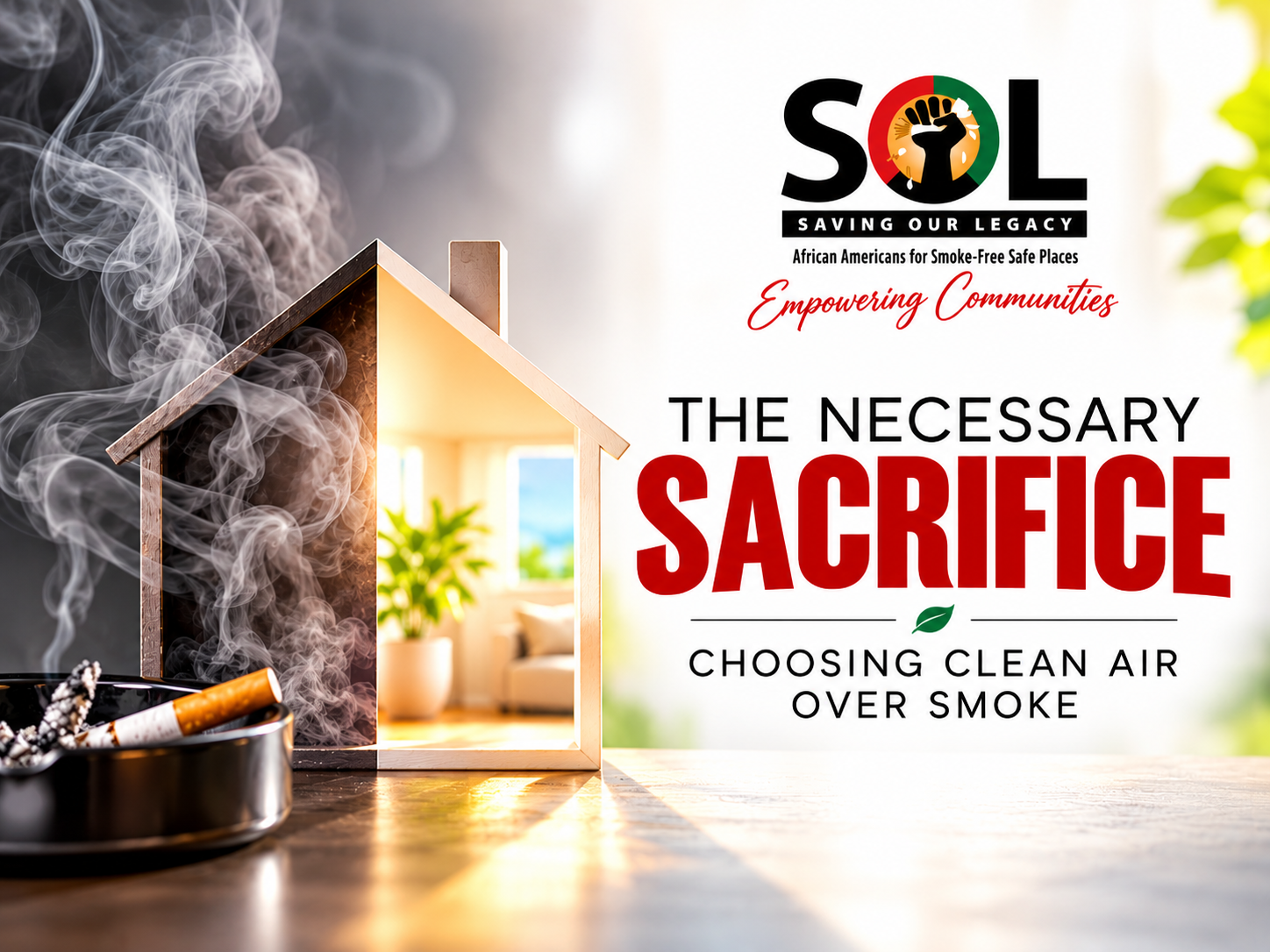
Similarly, thirdhand smoke is the tobacco smoke which “settles on indoor surfaces,” such as walls, clothes and furniture, containing “pollutants that may cause health problems.” Long after one smokes in their own home, thirdhand smoke still exists within their walls and continues to harm. In both instances, secondhand and thirdhand smoke completely shatter the illusion of smoking as privacy.
It is important to note that there exists no safe level for exposure to these types of smoke, its harmful effects—many of the times, unchosen—are similar to the ones from lighting and smoking that product oneself.
Residents of multi-unit housing, or more commonly known as any living space with shared walls (such as apartments, condominiums and townhomes), have become the most vulnerable to these types of smoke. Through open windows, shared walls, ventilation systems and more, secondhand and thirdhand smoke are able to travel into each and every unit.
The private action of smoking then becomes an illusion to the very public health crisis it creates. In being told that smoking is a matter of a private choice, so many people’s wellbeing are put at risk, including loved ones, neighbors and the smokers themselves.
With over two-thirds of residents living in such spaces being people of color and half of residents being low-income, some communities have had to sacrifice their well-being to accommodate the choice of smoking, a decision whose harm impacts all.
Terez, a Sacramento resident, has shared how the smoking of her neighbors has impacted her asthma for the worse.
“There’s times when I can’t even go in certain parts of the house because the [tobacco] smoke is so bad,” Terez shared. “I’ll end up in a coughing fit and sometimes it gets to the point to where I throw up.”
Terez’s neighbors smoke on their balcony—a place they believe is fully their own—but the smoke was able to drift to others, creating severe harm. Communication of concerns, such as one’s respiratory conditions or one’s addiction, is necessary in this crisis. Communication allows for compassion and empathy to be our primary language, not anger or shame.
And yet, this health crisis should not be adapted to, instead, it needs to be eradicated. Smoke-free policies, especially in buildings such as apartments and condominiums, need to be implemented. The UCLA Center for Health Policy Research has even found that 82% of tenants would prefer to live in a smoke-free apartment, with smokers even more likely to support such a policy, at 85%.
Although incredibly difficult, quitting the act of smoking helps not only protect you but everyone around you. Even though the act of smoking has been able to sell itself as a form of escape from reality, there are many other healthy coping mechanisms which do not put your health at risk. People who smoke deserve better than the tobacco polluting their health.
Quitting is not something that needs to be done alone. Kick it California, for example, provides free and affordable resources to do just that. With personalized cessation plans, supportive coaching and more, quitting has never been easier.
Everyone—smokers, non-smokers, children, adults and more—deserve a right to smoke-free homes. The only necessary sacrifice should be giving up smoking, not giving up your health.
Check out the website for Saving Our Legacy, African Americans for Smokefree Safe Places (SOL Project) to learn more about this issue and for meaningful tools to advocate for yourself.